🌱 Broccoli Sprouts & Cancer: 7 Science‑Backed Reasons to Add These Tiny Greens to Your Family’s Plate
By Vandana Kundan, Founder – Bosi Leaf.
Hi, I’m Vandana. Running Bosi leaf taught me that small daily habits really shape our health, for me, eating broccoli sprouts is one simple habit that sticks and makes a difference.
You may have heard about broccoli sprouts and cancer prevention.
Scientists are studying them closely, and the interest is real. But let’s be clear -sprouts are not a cure. They’re food. Nutritious, fresh, and full of compounds that may support a cancer‑protective lifestyle when paired with balanced eating.
The National Cancer Institute notes that human evidence is mixed and research is ongoing. That’s why I believe the focus should be on consistency: eating well, moving daily, and adding small things like sprouts to your plate.
Quick takeaway: Eat sprouts for nutrition, not medicine. Add them often, in small amounts, as part of a plant‑rich diet.
(aicr.org), (cancer.gov)
🌿Why Broccoli Sprouts Are Special ?
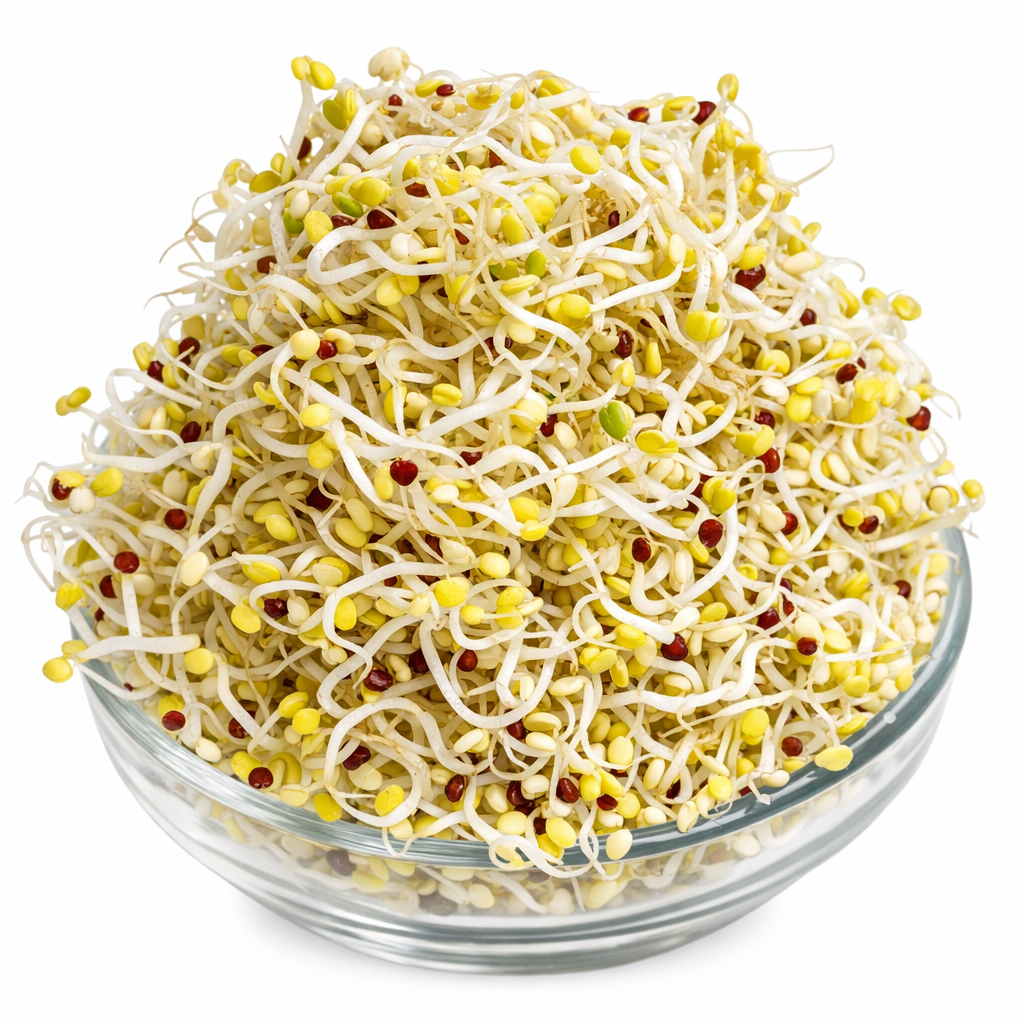
Broccoli is part of the cruciferous vegetable family, which also includes cabbage, kale, and mustard greens.,these vegetables naturally contain sulfur rich compounds called glucosinolates.
When we chew or digest them, these compounds can turn
into sulforaphane is a substance that scientists are studying closely for its
health benefits.
Young broccoli sprouts are especially rich in sulforaphane precursors, much more than mature broccoli.
That’s why they’ve become such a big topic in nutrition science.
(jstor.org), (sciencedaily.com)
✅ 7 Benefits of Broccoli Sprouts.
1. Rich in sulforaphane This plant compound has been studied for its potential to protect cells, reduce inflammation, and support healthy processes in the body.
The National Cancer Institute (NCI) says that compounds in cruciferous vegetables—like broccoli and cabbage—have been studied for how they might help protect our cells from DNA damage, block certain harmful substances, calm inflammation, and even support natural processes like programmed cell death [mdpi.com], [aacrjournals.org]
✨ Highlight: This is why broccoli sprouts are often discussed in “cancer‑protective diet” conversations—because they’re a food source of compounds researchers are actively studying. (cancer.gov), (mdpi.com)
2. Support natural defense systems Sprouts act as part of the body’s natural maintenance system - detoxifying, calming inflammation, and keeping cells balanced.
According to the National Cancer Institute (NCI), compounds found in cruciferous vegetables have been studied in preclinical research for their potential to protect cells from DNA damage, deactivate certain carcinogens, modulate inflammation, and influence processes such as apoptosis (programmed cell death. [cancer.gov], [mdpi.com]
In simple words: Think of broccoli sprouts as a food that helps your body’s “daily maintenance team” work well—not a magic shield. (cancer.gov), (aicr.org)
3. Nutrient‑dense Packed with vitamins C, E, and K, plus antioxidants and fiber, sprouts deliver a lot in a small serving.
Microgreens/sprouts are often praised because they can provide vitamins, minerals, and antioxidants in a small serving. Large reviews describe microgreens as rich in compounds like vitamins (C, E, K), carotenoids, and other bioactives depending on variety and growing conditions. [mdpi.com], [academic.oup.com]
And NCI also highlights cruciferous vegetables as nutrient-rich foods that fit into a healthy dietary pattern. [cancer.gov), (aicr.org)
4. Easy way to eat more vegetables No peeling, no cooking. Just rinse and sprinkle. They make it simple to follow cancer‑prevention advice about eating more fiber‑rich foods.
Cancer-prevention guidance consistently emphasizes overall diet pattern: more non‑starchy vegetables and more fiber-rich foods are linked with lower risk for some cancers (especially colorectal. (aicr.org), (cancer.gov)
Sprouts help because they’re easy—no peeling, no long cooking, and they instantly upgrade simple meals like poha, dal, and sandwiches. [peerj.com], [aicr.org]
5. Mild flavor Sprouts are crisp and gentle in taste, making them easy to add to family meals.
Not everyone loves the strong taste of cooked broccoli. Sprouts are milder, crisp, and work like coriander—just sprinkle and enjoy. This “small but often” approach helps families increase plant intake consistently. (mdpi.com], (aicr.org)
6. Backed by cancer centers Institutions like MD Anderson highlight sulforaphane as promising, while reminding us that variety and balance matter most.
MD Anderson is one of the world’s leading cancer hospitals and research centers, officially called The University of Texas MD Anderson Cancer Center.
MD Anderson says sulforaphane is a natural compound in vegetables like broccoli and cabbage. Scientists are studying how it might help protect the body, but the main advice is to eat plenty of plant foods as part of a balanced diet
(mdanderson.org), (aicr.org)
Sprouts are great, but the real benefit comes from eating a wide variety of plants, more often (aicr.org), (cancer.gov)
7. Fit beautifully into Indian meals Sprouts can be added to dal, poha, rotis, salads, or curd bowls. No fancy recipes needed.
You don’t need fancy recipes. Try:
- Dal / soup topper (stir in at the end)
- Poha / upma garnish
- Roti wraps with paneer/egg/veg
- Salads & sandwiches
- Curd bowls for crunch
This “add-on” style keeps it realistic and regular—exactly how healthy habits stick. (mdpi.com), (academic.oup.com)
🧡 Safety First
· Sprouts grow in warm, moist conditions, which can also allow harmful bacteria to grow.
· That’s why food safety experts caution that raw sprouts are higher‑risk, especially for people with weakened immunity.
· If you’re pregnant, elderly, undergoing treatment, or immune compromised, it’s safer to cook sprouts or avoid them unless your doctor advises otherwise
Thats why food safety rules consider sprouts a higher‑risk raw food.. (cdc.gov),High‑risk group?
Choose cooked sprouts (add to hot dal/soup/omelette) instead of raw. (cdc.gov), (pubs.ext.vt.edu)
🫙 How to grow broccoli sprouts at home (simple hygiene checklist)
✅Use sprouting seeds from a trusted source.
✅ Wash hands and jars properly.
✅ Rinse and drain well.
✅ Refrigerate once ready, and eat fresh.
(fda.gov), (cidrap.umn.edu) (cidrap.umn.edu], (extension.psu.edu)[cidrap.umn.edu), (fda.go)] (cdc.gov], (extension.psu.edu)
🍽️ Simple Ways to Eat Broccoli Sprouts (My favorites) 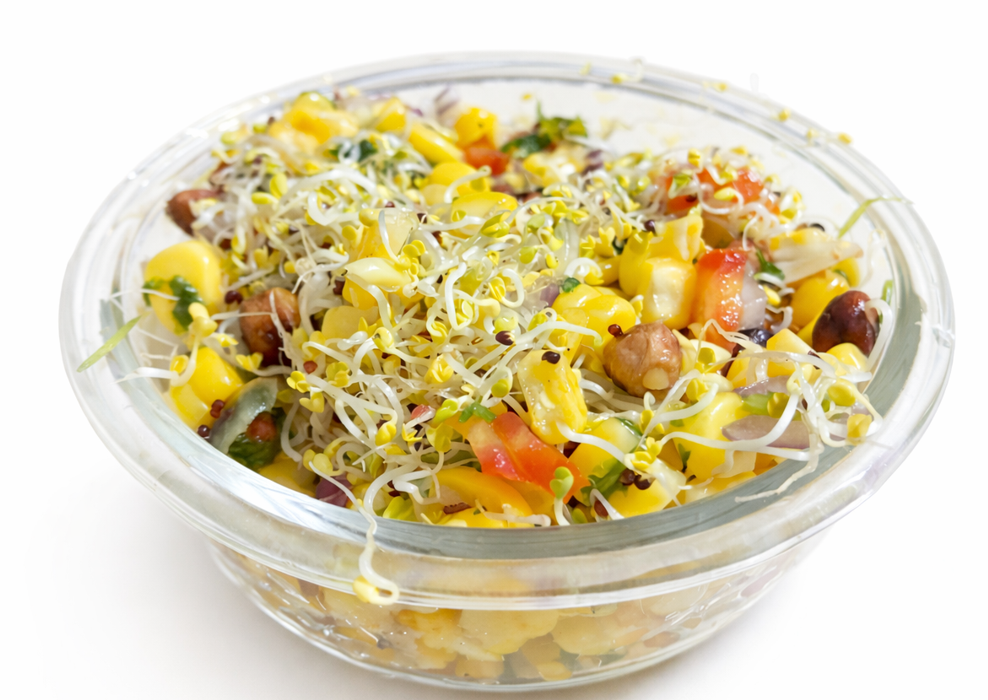
Here are
the easiest “sprouts habits” I recommend:
🥣 1) Dal topper (my #1)
Turn off the flame, add sprouts, close the lid for 1–2 minutes. Warm, comforting, and safer for many people. (cdc.gov), (pubs.ext.vt.edu)
🥪 2) Sandwich upgrade
Add sprouts instead of extra sauces. Crunchy + fresh, and kids usually accept it well. (aicr.org), (mdpi.com)
🍳 3) Omelette/paneer bhurji finishing touch
Add sprouts at the end of cooking to keep them fresh, bright, and flavorful. (academic.oup.com), (mdpi.com)
🥗 4) Salad + lemon
Combine broccoli sprouts with a squeeze of lemon to create an easy, refreshing green boost. (mdpi.com), (academic.oup.com)
⭐ Real talk: What broccoli sprouts can (and can’t) do
✅ Can do: Support a nutrient-rich, plant-based diet that’s aligned with cancer-prevention guidance.
❌ Can’t do: Replace medical treatment, “detox” cancer, or guarantee prevention. NCI clearly notes human evidence is mixed and still being studied.
(aicr.org), (cancer.gov) [cancer.gov), (mdpi.com)
🌱 Why we created Bosi leaf broccoli sprout seeds
To make
sprouting at home simple and accessible for families throughout India by
providing clean and reliable broccoli sprout seeds.
We
supply pan‑India, and you’ll find our broccoli sprouting seeds
on Amazon as well as www.Bosileaf.com
Start small:
Just 1–2 tablespoons of sprouts a day is a great beginning. Add them like you add coriander—little, but often.
References
- National Cancer Institute
(NCI):
Cruciferous vegetables, glucosinolates →
sulforaphane, and the state of evidence in humans. (cancer.gov)
- Johns Hopkins (Fahey, Zhang,
Talalay):
Foundational broccoli sprout chemoprotection research and sprout potency
discussion. (jstor.org], (sciencedaily.com)
- AACR Clinical Trial: Sulforaphane bioavailability
from broccoli sprout beverages (shows why form/prep matters). [aacrjournals.org)
- MD Anderson: Dietitian-reviewed overview
of sulforaphane in cruciferous vegetables. (mdanderson.org)
- AICR: Cancer prevention pattern
focus (fiber, non-starchy vegetables). (aicr.org)
- CDC: Raw sprouts are a
higher-risk food for immunocompromised people. (cdc.gov)
- FDA: Safety guidance and concerns
around seeds used for sprouting. (fda.gov)